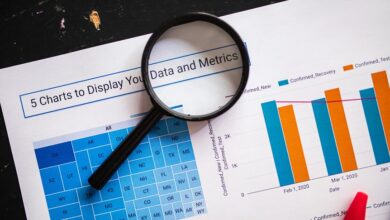
Tracking Operational Trends: 960654829, 32630600, 120905825, 4704227418, 930438569, 613316777


Tracking operational trends through specific metrics such as 960654829, 32630600, and others can reveal critical insights into organizational performance. These figures serve as indicators of efficiency and productivity, highlighting areas that may require attention. By examining these metrics, businesses can uncover patterns that inform strategic decisions. However, understanding how to effectively leverage this data for future growth poses an intriguing challenge that warrants further exploration.
Understanding Key Metrics in Operations
In the realm of operations, key metrics serve as critical indicators of performance and efficiency. Understanding these metrics allows organizations to assess operational efficiency and identify areas for improvement.
Analyzing Patterns and Trends
While organizations often focus on individual metrics, analyzing patterns and trends across these data points reveals deeper insights into operational performance.
Effective data visualization enhances trend identification, allowing stakeholders to discern shifts and correlations that might otherwise remain obscured.
Forecasting Future Challenges
Although many organizations excel in analyzing historical data, the ability to forecast future challenges remains a critical competency that can significantly influence strategic direction.
Utilizing predictive models allows organizations to navigate future uncertainties effectively. By integrating various data inputs, these models enable decision-makers to anticipate potential disruptions, thereby fostering resilience and adaptability in an increasingly volatile environment.
Ultimately, this approach shapes a more proactive approach to operational strategy.
Leveraging Insights for Business Growth
Many organizations recognize that leveraging insights derived from data analytics is essential for driving business growth.
By analyzing customer feedback and implementing effective market segmentation strategies, businesses can identify emerging trends and tailor their offerings.
This data-driven approach not only enhances customer satisfaction but also optimizes resource allocation, fostering sustainable growth and enabling organizations to adapt to evolving market dynamics effectively.
Conclusion
In the intricate tapestry of organizational performance, the metrics serve as both compass and map, guiding businesses through the labyrinth of operational challenges. By weaving together insights from these figures, companies can illuminate the shadows of inefficiency and harness the winds of change. As they navigate the currents of market dynamics, the ability to adapt and evolve becomes their lifeline, ensuring resilience and sustained growth in an ever-shifting landscape. Through data, the path to success becomes clearer and more navigable.