The onset time of CBD oil’s effects can be influenced by a variety of factors, including the method of consumption, individual metabolic differences, and the quality of the product. For instance, when taken sublingually, users may notice effects within 15 to 30 minutes, while ingestion through edibles or capsules could extend this duration to 1 to 2 hours. Understanding these variables is essential for optimizing the experience, but the nuances surrounding dosage and individual response add further complexity to this topic. What implications do these factors have for those seeking effective use?
Factors Affecting Onset Time
The onset time of CBD effects can be influenced by several key factors, including the method of consumption, individual metabolism, and dosage.
Dosage levels must be carefully considered, as higher amounts may yield faster results.
Additionally, product quality plays a critical role; premium products with effective formulations are more likely to deliver noticeable effects promptly, empowering users to experience the benefits of CBD fully.
Methods of Consumption
Understanding the various methods of consumption is vital, as each approach can significantly impact how quickly CBD takes effect and the overall user experience.
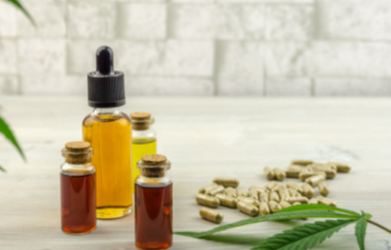
Sublingual absorption, where CBD oil is placed under the tongue, allows for rapid onset, while topical application targets localized relief without systemic effects.
Choosing the right method empowers users to tailor their experience to meet their individual needs and preferences.
Read more: How Long Does Cbd Take to Kick in
Individual Variability
Individual responses to CBD can vary widely due to factors such as body chemistry, metabolism, and dosage.
This variation makes it essential for users to consider their unique circumstances when determining how quickly they might feel the effects.
Genetic differences can influence metabolism rates, leading to diverse experiences with CBD.
Understanding these variables empowers users to tailor their approach, ensuring a more personalized and effective experience.
Conclusion
In summary, the onset time of CBD oil can be as swift as a lightning bolt or as languid as a lazy river, contingent upon various factors such as consumption method and individual metabolism.
Sublingual administration may deliver effects in a mere 15 to 30 minutes, while ingestion through food or capsules can stretch into an agonizing 1 to 2 hours.
Ultimately, both dosage and product quality are pivotal in determining the speed at which the therapeutic benefits of CBD oil manifest.