The lifespan of cartridges is a topic of significant interest, as users often seek to optimize their investment. Typically, cartridges can last anywhere from 100 to 300 uses, but this range can be influenced by factors such as frequency of use, type of cartridge, and maintenance practices. Understanding how these elements interact is essential for maximizing their durability. However, what specific practices can enhance longevity, and how do various cartridges compare in terms of quality? Exploring these questions can reveal important insights that may impact user experience.
Factors Affecting Cartridge Lifespan
The lifespan of cartridges is influenced by several key factors, including usage frequency, storage conditions, and product quality.
Cartridge materials play a crucial role, as high-quality options typically last longer.
Additionally, proper maintenance practices, such as regular cleaning and optimal storage conditions, can significantly enhance longevity.
Understanding these elements empowers users to maximize cartridge lifespan, ensuring an efficient and satisfying experience.
Read more: How Long After Taking Cbd Oil Can I Drink Water
Average Duration of Carts
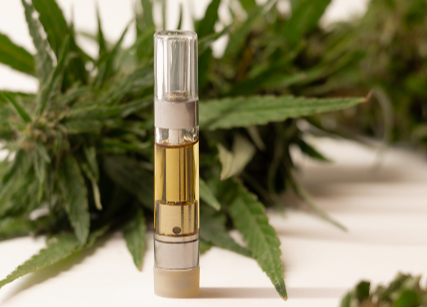
Cartridges typically last between 100 to 300 uses, depending on factors such as the type of product and individual usage habits.
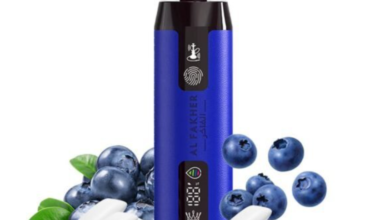
Different cartridge types can significantly influence longevity, with some designed for higher usage frequency than others.
Users seeking to maximize their experience should consider these variables, as understanding the interplay between cartridge types and usage frequency can enhance satisfaction and enjoyment.
Tips to Extend Cartridge Life
Maximizing the lifespan of your cartridge involves adopting specific practices that minimize wear and tear during usage.
Prioritize regular cartridge maintenance, including cleaning and proper handling.
Additionally, ensure optimal storage conditions—store cartridges in a cool, dry place away from direct sunlight.
These simple strategies not only enhance performance but also empower you to enjoy your cartridges longer, promoting a satisfying experience.
Conclusion
In conclusion, the lifespan of cartridges typically ranges between 100 to 300 uses, influenced by various factors such as usage frequency, cartridge type, and maintenance practices.
Understanding these elements enables users to effectively manage cartridge longevity.
By implementing proper care, including regular cleaning and optimal storage conditions, the durability of cartridges can be maximized.
This knowledge not only enhances user satisfaction but also dispels the notion that cartridge longevity is purely random, emphasizing the importance of mindful usage.